Chapter 1: What Is A Bulk Tank Trailer?
Chapter 2: What is the capacity of a Bulk Cement Tanker?
Chapter 3: Advantages Of Choosing High-Quality Cement Tanker Trailers In Zambia
Chapter 4: How To Select The Right Bulk Cement Tanker Trailer For Your Business
In the modern logistics and transportation industry, cement tanker trailers for sale have become essential equipment for transporting liquids, powders, and some granular materials. Whether in the petrochemical, food transportation, building materials, or agricultural sectors, bulk cement tankers for sale play a crucial role in efficient, large-volume, and safe transportation. Especially in regions with rapid infrastructure development, such as Africa, the Middle East, Southeast Asia, and South America, the demand for bulk tank trailers is continuously growing.
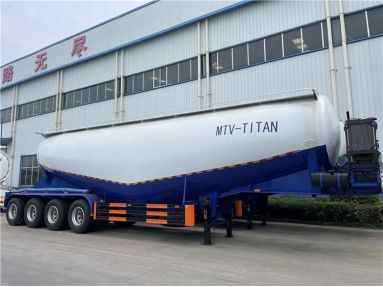
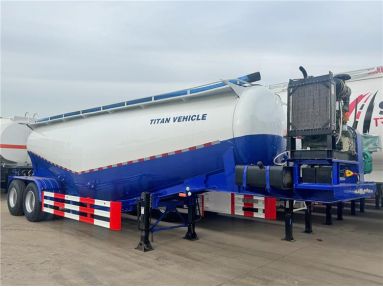
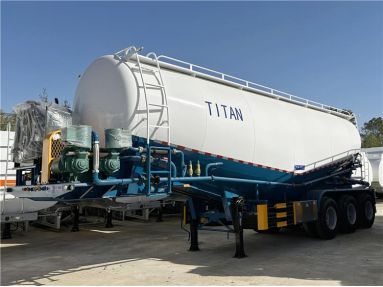
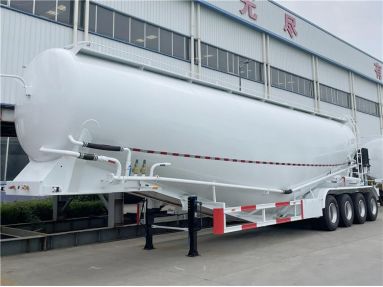
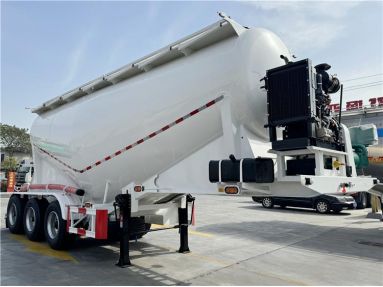
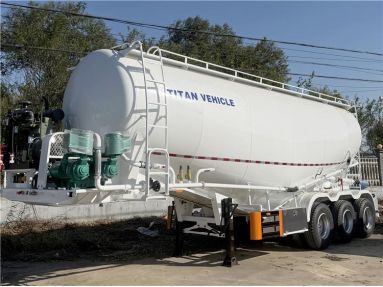
A bulk cement tank trailer is a specialized semi-trailer used for transporting bulk liquids, powders, or granular goods. Unlike ordinary flatbed or sideboard semi-trailers, cement tanker trailers for sale utilize a sealed tank structure, effectively preventing cargo leakage, contamination, and transportation losses. Depending on the type of cargo being transported, bulk cement tankers for sale can be categorized into various types, including oil tankers, cement tankers, chemical liquid transport vehicles, and food-grade liquid transport vehicles.
Bulk cement tank trailers have become an indispensable part of modern transportation systems. For example, in the African market, numerous infrastructure projects have driven demand for cement transportation, making bulk cement tanker trailers very popular.
One of the biggest advantages of bulk cement tanker trailers is their high transportation efficiency. Compared to traditional bagged transportation, bulk transport reduces manual loading and unloading time, increases loading efficiency, and lowers packaging costs. Bulk cement tanker trailers can be loaded and unloaded directly through an air compression system, significantly improving work efficiency. For long-distance transportation, this method not only saves time but also reduces cargo waste.
Bulk cement tanker trailers also offer enhanced safety. High-quality tanker trailers are typically constructed with high-strength steel, feature rigorous tank welding processes, and are equipped with safety features such as baffles, overflow prevention systems, and emergency valves. Safety is especially crucial when transporting flammable liquids or hazardous chemicals. A high-quality cement tanker trailer not only ensures cargo safety but also reduces the risk of accidents during transportation.
Different types of bulk tanker trailers have different structural designs. For example, fuel tanker trailers typically employ a multi-compartment design to transport different types of fuel simultaneously; cement tanker trailers are equipped with air compressors and fluidized bed systems for easy unloading of powdered materials; and food-grade liquid transport vehicles have higher requirements for tank materials, usually using stainless steel to ensure hygiene standards during transport.
In terms of manufacturing, modern bulk tank trailers increasingly emphasize lightweight design. Many manufacturers use high-strength steel, aluminum alloys, and even stainless steel to reduce the overall vehicle weight and increase payload. For transport companies, a lighter vehicle weight means more cargo can be loaded, thus increasing transport profits. Especially against the backdrop of rising fuel prices, lightweight design can also effectively reduce fuel consumption.
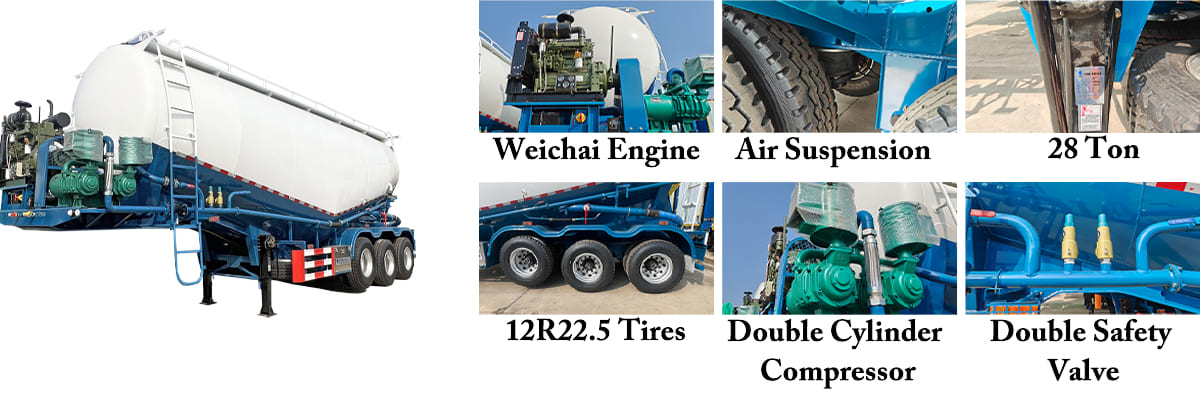
Besides material upgrades, the suspension system is also a crucial factor affecting the performance of bulk tank trailers. Currently, common suspension systems on the market include mechanical suspension, air suspension, and bogie suspension. For markets with complex road conditions, such as Africa, many customers prefer reinforced mechanical suspension or bogie suspension, as these configurations are more suitable for rough roads, muddy roads, and overloaded transport environments. For markets with heavy highway transport, air suspension offers better shock absorption, improving driving comfort and reducing tire wear.
Tire configuration also affects the transport capacity of a bulk cement tanker for sale. Some customers opt for single-tire designs to reduce weight and fuel consumption; while more heavy-duty transport users use dual-tire configurations to enhance load-bearing capacity and stability. For harsh environments such as mining areas and construction sites, wear-resistant tires and reinforced axles are particularly important.
The intelligence level of bulk cement tank trailers is also constantly improving. Today, more and more tank semi-trailers are equipped with GPS monitoring systems, liquid level monitoring systems, and intelligent braking systems.
For many transport companies, choosing the right bulk tank trailer is crucial. Customers typically consider the following factors when purchasing: type of cargo being transported, road conditions, load capacity requirements, fuel consumption, and long-term maintenance costs. For example, in African markets such as Tanzania, Zambia, and Zimbabwe, due to complex road conditions, customers often prioritize chassis strength and suspension durability; while in the Middle East, high-temperature resistance is a key focus.
Furthermore, after-sales service is a major concern for customers. A bulk tank trailer typically requires prolonged, high-intensity operation, making spare parts supply, technical support, and maintenance services crucial. Many international customers prefer experienced manufacturers because these companies can provide customized configurations and recommend the most suitable solutions based on the transportation environments of different countries.
In summary, the bulk tank trailer is not just a piece of transportation equipment, but a vital component of the modern logistics and transportation system. With the development of global industrialization and infrastructure, the demand for bulk cargo transportation will continue to grow. In the future, bulk tank trailers will evolve towards greater intelligence, lightweight design, safety, and environmental friendliness, bringing higher efficiency and lower operating costs to the global transportation industry.
 What Is A Bulk Tank Trailer?
In modern construction engineering, infrastructure development, and large-scale industrial projects, cement tanker trailers for sale have become indispensable transportation equipment. Whether in African highway construction, large-scale urban development in the Middle East, or port projects in Southeast Asia, bulk cement transportation directly impacts construction efficiency and project costs. For many customers, one of the most important questions when purchasing a bulk cement tanker is: what is the capacity of a bulk cement tanker for sale?
There is no fixed standard for the capacity of a bulk cement tanker trailer; it is customized based on transportation needs, road regulations, customer budgets, and the transportation environment of different countries. Common bulk cement tanker trucks on the market typically have capacities between 20 and 120 cubic meters, with different volumes corresponding to different load capacities and application scenarios.
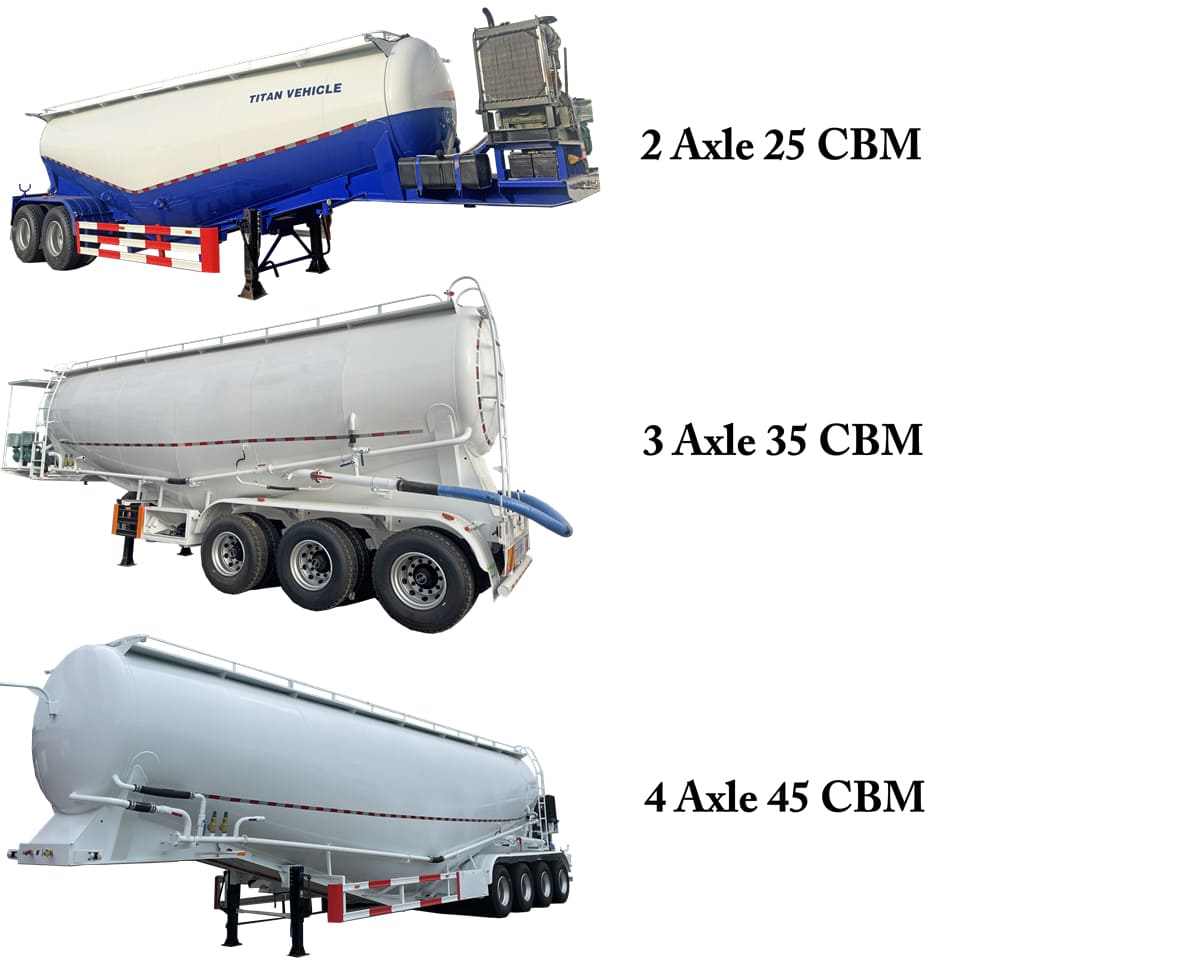
The capacity of a cement tanker trailer for sale is approximately 20-35 CBM (cubic meters). This type of vehicle is generally suitable for short-distance transportation, urban construction projects, and areas with poor road conditions. Due to its short length and maneuverability, it is very practical for transportation in narrow construction sites and mountainous areas. Bulk cement tankers for sale typically have a capacity of 35-60 CBM, one of the most common specifications on the international market. Many customers in Africa, the Middle East, and Southeast Asia choose this type because it strikes a balance between transport efficiency and road adaptability. For example, the common 3 axle 45 CBM cement tanker trailer is ideal for long-haul road transport, meeting the needs of most cement plants and construction sites.
Large bulk cement tankers, on the other hand, can have capacities of 60-120 CBM. These vehicles are mainly used for large-scale engineering projects, bulk transport between cement plants, and long-distance inter-regional transport. Especially in countries with good highway conditions, large-capacity tankers can significantly reduce transportation costs and increase the efficiency of a single trip. However, large bulk cement tank trailers also place higher demands on tractor power, road conditions, and driving skills.
The capacity of a bulk cement tank trailer usually refers to the internal volume of the tank, that is, how many cubic meters of powdered material it can hold; while the payload is the actual tonnage the vehicle can carry. Due to the different densities of different powders, the same volume may correspond to different weights.
A 50 CBM cement tanker trailer for sale can transport approximately 60-75 tons of bulk cement. However, in actual transport, local road weight restrictions and the vehicle's own weight must also be considered.
In many African countries, customers prefer cement tanker trailers with larger capacity and higher load-bearing capacity. The reason is simple: long transport distances and high fuel prices mean customers want to transport more cargo per trip, thereby reducing unit transport costs. For example, in countries like Zambia, Tanzania, and Zimbabwe, a 45-60 CBM bulk cement tanker is very common because it meets the needs of long-distance transport and can adapt to relatively complex road environments.
Besides volume, the tank structure design also affects actual transport capacity. Currently, bulk cement tanker trucks on the market mainly have V-shaped, W-shaped, and cylindrical tank designs. Among them, V-shaped and W-shaped structures can effectively lower the vehicle's center of gravity, improve driving stability, and also improve unloading efficiency.
The unloading system also determines the working efficiency of the bulk cement tank trailer. Modern bulk cement tanker trucks are typically equipped with air compressors, which use compressed air to transport cement from the tank to designated storage facilities. Compared to traditional manual unloading methods, this pneumatic conveying system is more efficient, produces less dust, and reduces labor costs.
Generally, a high-quality bulk cement tank trailer can unload at a rate of 1-1.5 tons per minute, depending on the air compressor power, piping design, and material condition. For large cement transportation companies, efficient unloading translates to faster turnover and higher profits.
Furthermore, many international customers pay special attention to corrosion resistance when purchasing bulk cement tankers. Because cement powder is corrosive, improper internal tank treatment can lead to rust after prolonged use. Therefore, high-quality manufacturers typically apply sandblasting, anti-rust primer, and high-wear-resistant coatings to the tanks to extend their service life.
Market trends indicate that bulk cement tankers will continue to evolve towards larger capacity, higher efficiency, and smarter designs. For example, some new tankers are already equipped with intelligent pressure monitoring systems, automatic unloading control systems, and remote monitoring systems. These technologies not only improve transportation efficiency but also reduce failure rates and maintenance costs.
In general, there is no absolute standard for selecting the capacity of a bulk cement tanker; rather, it needs to be determined based on a comprehensive consideration of customer transportation needs, road conditions, regulatory requirements, and budget. For most transportation companies, 45-60 CBM bulk cement tankers are sufficient to meet the vast majority of engineering transportation needs. However, for large projects and the long-haul transportation market, larger capacity cement tankers can significantly improve operational efficiency.
With the continued growth of global infrastructure construction, the market demand for bulk cement tankers will continue to expand. In the future, more efficient, durable, and lightweight bulk cement transport vehicles will become an important development direction for the global logistics and transportation industry.
 What is the capacity of a Bulk Cement Tanker?
In recent years, with the rapid development of infrastructure construction, mining, and the construction industry in Zambia, the demand for cement transportation has continued to grow. Whether in urban construction projects in Lusaka, mining projects in the Copperbelt Province, or road construction in remote areas, the demand for cement tanker trailers for sale is increasing. Against this market backdrop, choosing a high-quality cement tanker semi-trailer can not only improve transportation efficiency but also effectively reduce transportation costs, bringing higher profits to transportation companies.
In Zambia, many transportation routes have poor road conditions, especially in mining areas, highway construction sites, and rural roads, which often have potholes, mud, and gravel surfaces. Ordinary low-quality trailers are prone to problems such as beam breakage, tank deformation, and suspension damage during long-term heavy-load transportation. High-quality bulk cement tankers for sale are typically made of high-strength steel, with a more robust chassis structure, capable of adapting to the complex and harsh road environment of Africa.
For many logistics and transportation companies in Zambia, purchasing a bulk cement tanker for sale is not just buying a transportation vehicle, but a long-term investment. A high-quality cement tanker trailer can maintain stable operation under complex road conditions, reduce maintenance frequency, improve transportation efficiency, and help companies gain a greater advantage in a highly competitive market.
One of the biggest advantages of bulk cement tank trailers is their higher transportation efficiency. Traditional bagged cement transportation is not only slow in loading and unloading, but also requires a lot of manual labor, and is prone to damage, moisture, and waste during transportation. Bulk cement tanker trailers, on the other hand, use a fully enclosed transportation system, allowing loading and unloading directly through a pneumatic system, significantly improving transportation efficiency. For countries like Zambia that are undertaking large-scale infrastructure construction, efficient transportation means faster project progress and lower operating costs.
High-quality cement tanker trailers typically feature a thickened main beam design and use advanced welding technology to improve the vehicle's torsional resistance. Even under continuously bumpy road conditions during long-distance transportation, the vehicle remains stable. This is crucial for cross-border transportation routes from Zambia to Tanzanian ports, Congolese mining areas, and Zimbabwe.
Currently, bulk cement tankers for sale on the market typically come in configurations of 30 cubic meters, 40 cubic meters, 50 cubic meters, or even larger. Larger capacity means more bulk cement can be transported at once, reducing the number of trips and lowering unit transportation costs. For transportation companies, this directly translates to increased profits.
An efficient unloading system is also a key feature of high-quality cement tanker trucks. High-quality bulk cement transport trucks are usually equipped with reliable air compressor systems, enabling rapid unloading. Through pneumatic conveying, bulk cement can be directly delivered to the cement silo without manual handling. Compared to traditional loading and unloading methods, this is not only faster but also more environmentally friendly.
Safety performance is also a crucial reason for choosing a high-quality cement tanker trailer. High-quality cement tankers typically employ reliable braking systems, reinforced axles, and high-load-bearing suspension systems, maintaining excellent stability even under high-speed transport and complex road conditions. Stability directly impacts driving safety, especially on mountainous roads or during long-distance transport.
The suspension system is particularly important for the African market. Many high-quality cement tanker semi-trailers utilize heavy-duty mechanical suspension or air suspension systems, effectively mitigating the impact of bumps and reducing damage to the chassis and tank. This not only extends vehicle lifespan but also reduces maintenance costs.
Axle quality also determines the overall reliability of the transport vehicle. High-end cement tanker trailers typically use axles from internationally renowned brands, offering greater load-bearing capacity and durability. During heavy-duty transport, high-quality axles effectively reduce failure rates and improve transport stability.
Corrosion resistance is another significant advantage of high-quality bulk cement tanker trailers. Due to the long-term transport of powdery materials, coupled with the humid climate in some parts of Africa, trailers are prone to rust. High-quality cement tanker trailers are usually sandblasted and coated with high-quality anti-rust paint, effectively extending vehicle lifespan.
For transport companies, lower maintenance costs translate to higher profits. Although the initial purchase price of high-quality cement tanker trailers is relatively high, their more reliable structure significantly reduces the frequency of subsequent maintenance. In the long run, this effectively helps companies save substantial maintenance and downtime costs.
Furthermore, high-quality cement tanker trailers also improve customer satisfaction. Faster loading and unloading, more stable transportation, and lower damage rates help transportation companies build a better market reputation. For long-term clients, stable and reliable transportation services are crucial.
For logistics companies engaged in cross-border transportation, high-quality cement tanker semi-trailers also offer significant advantages. Whether transporting cement from the port of Dar es Salaam to the Zambian interior or to neighboring countries such as Congo, Malawi, and Zimbabwe, reliable vehicle performance improves transportation efficiency and reduces risk.
Many high-quality cement tanker truck manufacturers can also customize vehicles to meet specific client needs, including tank volume, axle configuration, suspension type, and tire specifications. This allows clients to choose the most suitable vehicle configuration based on their transportation routes and cargo requirements.
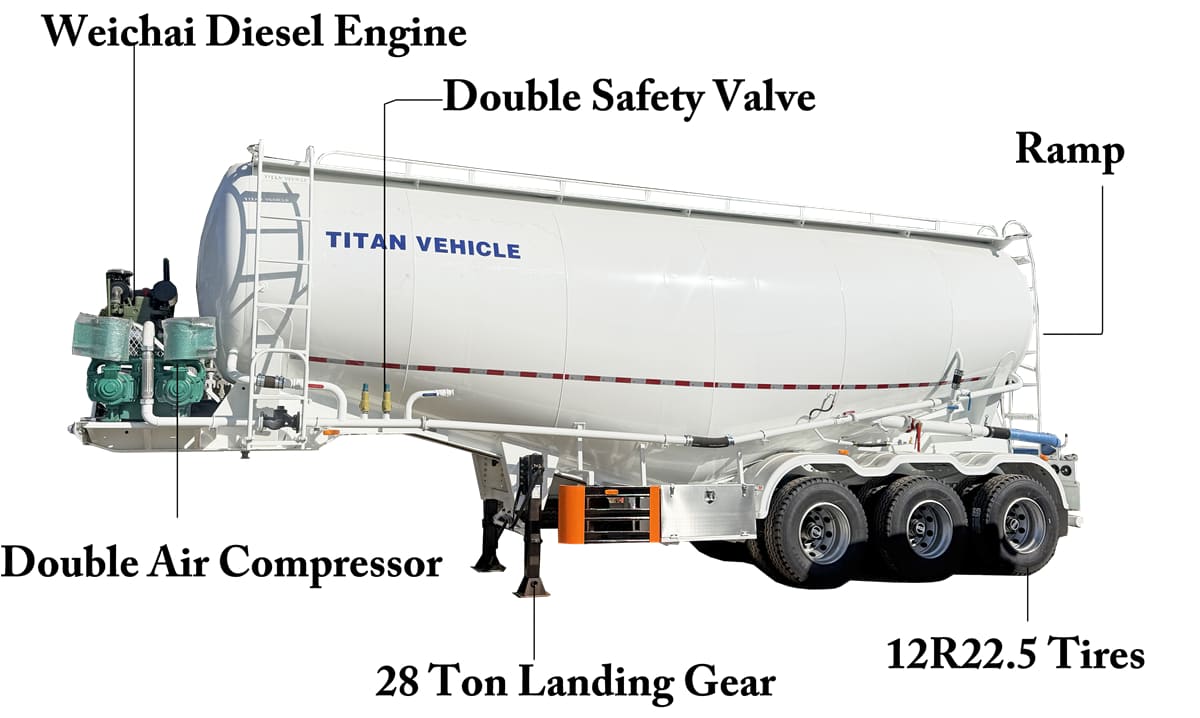 Advantages Of Choosing High-Quality Cement Tanker Trailers In Zambia
With the rapid development of global infrastructure construction, mining development, and the construction industry, the demand for bulk cement transportation is constantly increasing. For transportation companies, cement plants, and engineering contractors, choosing a suitable cement tanker trailer is crucial not only for transportation efficiency but also for directly impacting operating costs, vehicle lifespan, and corporate profits.
Many customers, when purchasing bulk cement tankers, often focus solely on price, neglecting vehicle configuration, transportation needs, and subsequent operating costs. In fact, a bulk cement tanker trailer truly suited to one's business can help companies improve transportation efficiency, reduce fuel consumption, decrease maintenance costs, and create greater economic value in the long run.
Before selecting a cement tanker trailer, companies need to fully understand their transportation needs, transportation environment, and vehicle configuration characteristics to choose the most suitable model for their business development.
First, it's necessary to clarify the type of cargo being transported. While most customers purchase bulk cement tankers primarily for transporting bulk cement, bulk cement tank trailers can also transport fly ash, lime powder, mineral powder, and other dry powder materials. Different materials have different requirements for tank structure, unloading system, and sealing performance.
For transporting ordinary bulk cement, a standard V-type or W-type tank design is sufficient. For transporting denser mineral powders or special powdery materials, a higher-strength tank structure and a more powerful air compressor system are required to ensure efficient unloading.
Transport distance is also a crucial factor when choosing a cement tanker truck. If the company primarily engages in short-distance transportation, such as cement delivery around cities, a smaller-capacity bulk cement tank trailer can be chosen to improve flexibility and loading/unloading efficiency. For inter-provincial, port, or cross-border logistics operations, a larger-capacity cement tanker trailer is more suitable to increase the volume of each trip and reduce transportation costs.
Axle configuration is also an important factor affecting vehicle performance. Currently, common cement tanker truck configurations include 2-axle, 3-axle, and 4-axle configurations. The 3-axle bulk cement tank trailer is the most common model in the African, Middle Eastern, and Southeast Asian markets because it achieves a good balance between load capacity, stability, and operating costs.
The suspension system directly affects vehicle comfort and lifespan. Currently, the market mainly offers two types: mechanical suspension and air suspension. Mechanical suspension systems are simple in structure, low in cost, and easy to maintain, making them ideal for use in Africa and areas with poor road conditions. Air suspension offers better shock absorption, reducing vehicle bumps and improving transport stability, but its purchase and maintenance costs are relatively high.
For many transport companies, chassis strength often determines a vehicle's long-term stable operation. Cement tanker trailers for sale typically use high-strength steel, with thickened main beams and automated welding processes to improve the vehicle's load-bearing capacity and torsional resistance.
Tank design is also a crucial factor when selecting a cement tanker. Currently, the main tank structures on the market are V-shaped and W-shaped. V-shaped tanks have a simple structure, low center of gravity, and good stability, making them suitable for transporting ordinary bulk cement. W-shaped tanks generally offer better unloading performance, reducing residue and improving unloading efficiency.
The unloading system is one of the core components of a bulk cement tanker for sale. A high-quality air compressor can increase unloading speed, reduce residual material, and lower the failure rate.
Tire configuration also affects vehicle operating costs. In Africa and high-temperature regions, low-quality tires are prone to blowouts or severe wear, increasing repair costs and transportation risks. Therefore, it is recommended to choose well-known brand tubeless tires or wear-resistant tires to improve transportation safety and tire life.
The braking system is particularly important for heavy-duty cement tank trailers. Bulk cement tank trailers are typically equipped with reliable air brake systems and ABS anti-lock braking systems, which improve stability during emergency braking and reduce the risk of transportation accidents.
Many customers overlook the importance of after-sales service when purchasing cement tanker trailers for sale. In fact, good after-sales support can help businesses reduce downtime and improve operational efficiency. Therefore, when choosing a manufacturer, it is important to consider not only the product price but also whether the manufacturer can provide spare parts support, technical guidance, and long-term after-sales service.
In addition to the vehicle's configuration, businesses need to develop a reasonable procurement plan based on their business scale. If transportation needs are small, a small number of high-quality cement tanker trailers can be purchased for operational testing. Large logistics companies or cement enterprises can directly establish a professional bulk transport fleet to improve overall transportation efficiency.
Bulk cement tank trailers are widely used in construction engineering, cement plants, mining transportation, and port logistics. With the continued growth of infrastructure construction in Africa, the Middle East, and Southeast Asia, the bulk cement transportation market still has enormous development potential.
For transportation companies, choosing the right cement tanker trailer for sale can not only improve transportation efficiency but also reduce long-term operating costs and enhance market competitiveness. A high-quality cement tanker semi-trailer is not just transportation equipment but also a crucial asset for the company's long-term development.
Therefore, when purchasing bulk cement tankers for sale, companies should not only focus on price but also comprehensively consider transportation needs, road conditions, vehicle configuration, after-sales service, and long-term operating returns. Only by truly choosing a bulk cement tanker trailer that suits their business development can they achieve greater success in future market competition.
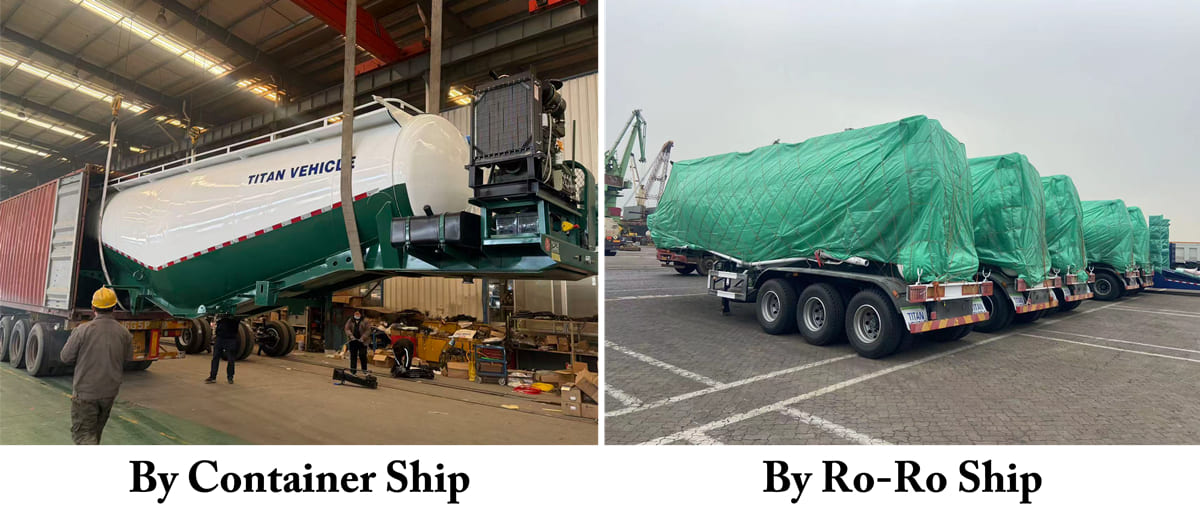
How To Select The Right Bulk Cement Tanker Trailer For Your Business